
5 Warning Signs Your Car Battery Is Dying Before You Get Stranded

A weak car battery rarely fails at a convenient time. It usually gives small hints first, then quits when the engine is hot, the rain is heavy, or you are rushing to be somewhere.
In Singapore’s heat, batteries also work harder. Stop-start traffic, short trips, dash cams, air-conditioning, and long periods parked in the sun can all add stress. The good news is that most failing batteries show warning signs before they leave you stuck in a car park or by the roadside.

Why car batteries often fail without warning
A car battery stores the energy needed to start the engine. Once the engine runs, the alternator helps recharge it and powers many electrical systems.
Over time, the battery loses its ability to hold charge. That ageing process can be sped up by:
Heat High temperatures can shorten battery life and dry out internal components.
Short drives A quick trip may not give the alternator enough time to recharge the battery fully.
Electrical drain Interior lights, cameras, chargers, and faulty components can slowly drain power.
Age Many car batteries start to become less reliable after a few years, even if the car still starts most days.
The tricky part is that a battery can seem fine one morning and struggle the next. That is why small changes matter.
1. The engine cranks slowly before starting
This is one of the clearest warning signs. You turn the key or press the start button, and the engine sounds tired before it comes alive.
Instead of a quick, confident start, you may hear:
A slow turning sound
A longer cranking time
A weak “rrr-rrr-rrr” before ignition
One or two failed attempts before the engine starts
A slow crank often means the battery does not have enough power to spin the starter motor properly. The car may still start today, but it could fail tomorrow after sitting overnight.
Pay extra attention if the slow start happens in the morning or after the car has been parked for several hours. That usually points to a battery that is struggling to hold charge.

2. The dashboard lights flicker or look dim
Your battery does not only start the engine. It also supports the car’s electrical systems, especially before the alternator takes over.
A weak battery can cause dashboard lights to look dim, flicker, or behave oddly when you start the car. You may also notice the headlights look weaker than usual when the engine is off.
Common clues include:
Dashboard lights dimming when you start the engine
Interior lights looking weaker
Headlights appearing dull while parked
Warning lights flashing briefly for no clear reason
This does not always mean the battery is the only problem. Loose battery terminals, a failing alternator, or wiring issues can cause similar symptoms. Still, dim or flickering lights should not be ignored, especially when paired with slow starting.
3. You hear clicking when you try to start the car
A clicking sound can feel confusing because the car still reacts when you press the start button or turn the key. Yet the engine does not turn over.
That click often comes from the starter relay or starter motor trying to work without enough electrical power. In simple terms, the car is asking for a strong burst of energy, but the battery cannot supply it.
A single click or repeated rapid clicks can both point to battery trouble. If the lights and radio still work, it does not guarantee the battery is healthy. Those parts need far less power than the starter motor.
If the car clicks but will not start, avoid repeated attempts. You may drain the remaining charge and make diagnosis harder.
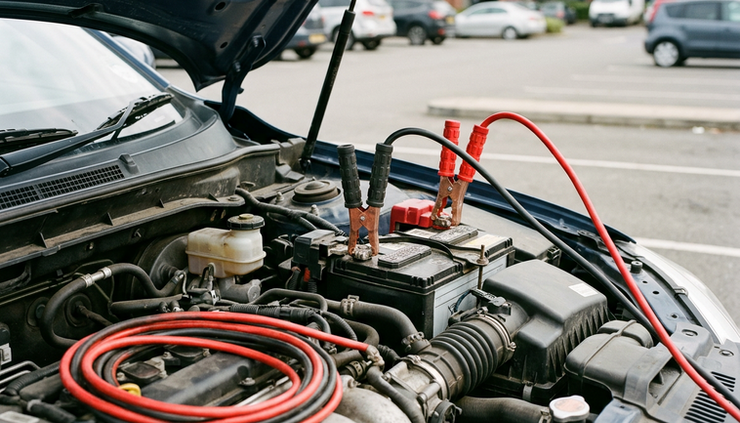
At this point, a jump-start may get the car moving, but it is not a long-term fix. Have the battery and charging system checked as soon as possible.
4. Electrical features behave strangely
Modern cars rely on steady voltage. When the battery weakens, small electrical issues can appear before the car refuses to start.
Watch for features that seem slower, weaker, or less consistent than usual. For example:
Power windows move more slowly
The infotainment screen reboots or blacks out
The central locking feels delayed
The air-conditioning fan speed changes unexpectedly
The clock or settings reset after parking
These signs are easy to dismiss because each one seems minor. Together, they can point to low battery voltage or poor battery connections.
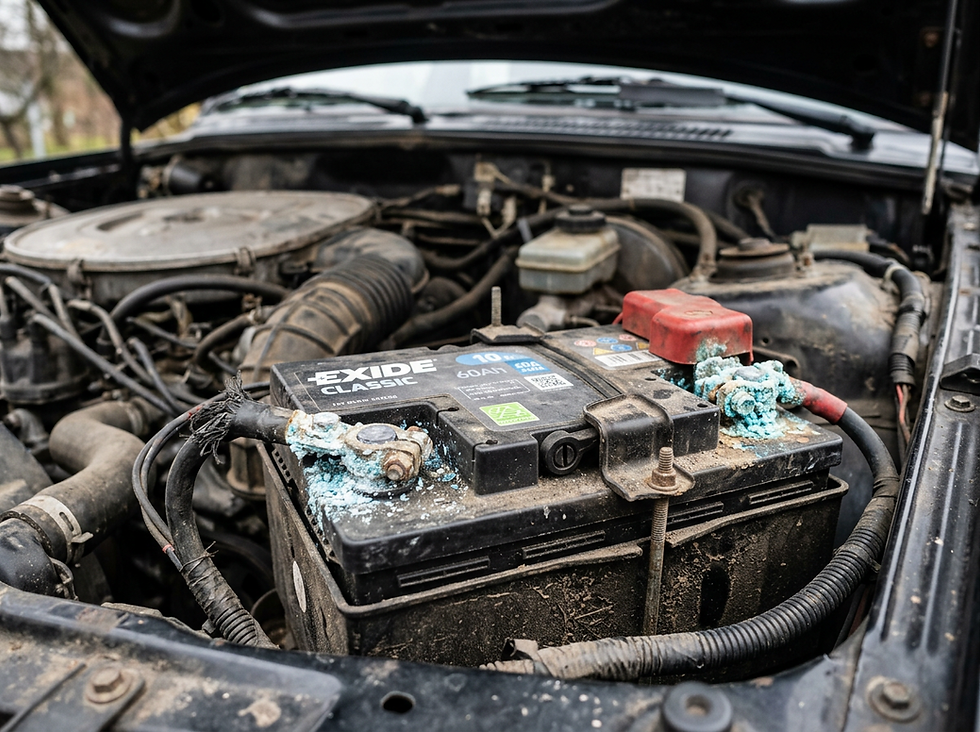
Before assuming the battery is dead, check for simple causes. Make sure the battery terminals are clean and tight. Look for visible corrosion, which may appear as a white, powdery build-up around the terminals. If you are not comfortable touching the battery, get a mechanic to check it safely.
5. The battery case looks swollen, leaking, or corroded
Some warning signs are visible under the bonnet. If the battery case looks swollen, cracked, or wet, treat it seriously.
Heat can cause a battery case to swell. Leaks and heavy corrosion can also signal internal failure or poor connections. A damaged battery may be unsafe to handle, so avoid touching any fluid or crusty build-up with bare hands.
Look for:
A bulging or misshapen battery case
A strong rotten-egg smell near the battery
Corrosion around the terminals
Dampness or residue on the battery top
Loose or damaged battery cables
A rotten-egg smell can point to battery gas or charging problems. If you notice it, switch off the car in a safe place and arrange a professional check. Do not keep driving and hope it clears.

What to do before the battery leaves you stranded
If your car shows one warning sign, monitor it closely. If it shows two or more, do not wait for a complete failure.
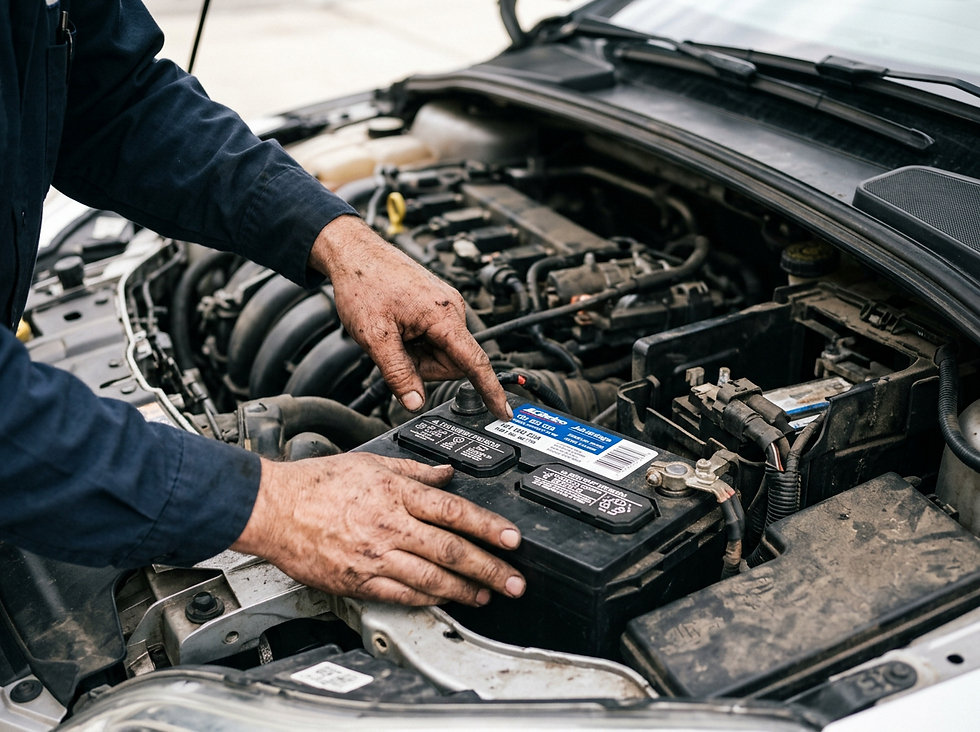
A sensible next step is to get a battery health test. Most workshops can check the battery’s voltage and cranking ability quickly. They can also test the alternator to make sure the charging system is doing its job.
You can reduce the risk of sudden battery failure by building a few habits:
Drive long enough now and then to let the battery recharge
Turn off lights, chargers, and accessories before leaving the car
Check that doors and the boot are fully closed
Replace an ageing battery before it becomes unreliable
Keep jumper cables or a portable jump starter in the car
The main point is simple. A dying battery usually gives clues before it fails completely. Slow cranking, dim lights, clicking sounds, strange electrical behaviour, and visible battery damage are all signs to act early.
Deal with the problem while the car still starts, and you are far less likely to be stranded at the worst possible moment.
Comments