
When Should You Replace Your Car Battery

A weak car battery rarely fails at a convenient time. It usually shows up as a slow crank in the morning, a dashboard warning light, or a car that will not start when you are already late.
The safest time to replace a car battery is before it leaves you stranded. That means watching its age, how the car starts, and how it performs in heat, rain, traffic, and short trips.
Replace your battery when it reaches the end of its usual lifespan
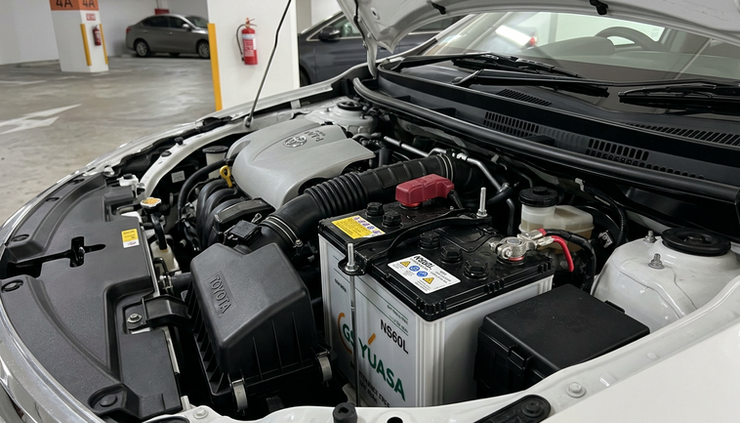
Most car batteries do not last forever, even when the car is well maintained. In Singapore’s warm and humid climate, many batteries start to weaken after about 18 months to 24 months. Some last longer, especially if the car is driven regularly and the charging system is healthy. Others fail earlier due to heat, frequent short trips, or long periods of disuse.
Battery age matters because internal parts wear down over time. A battery can look fine from the outside but still have little reserve power left.
If you are unsure how old the battery is, check:
The date sticker on the battery casing
The service record from your workshop
The receipt from the last replacement
Any marking showing the month and year of installation
A battery that is more than two years old should be tested during routine servicing. If it is near the end of its useful life, replacing it early is usually cheaper and less stressful than calling for roadside help later.
Replace it sooner if the car struggles to start
The most common warning sign is a slow engine crank. Instead of starting quickly, the engine turns over sluggishly before it finally comes to life.
That can feel minor at first, but it often means the battery no longer delivers enough power under load.
Watch for these signs:
The engine cranks slowly before starting
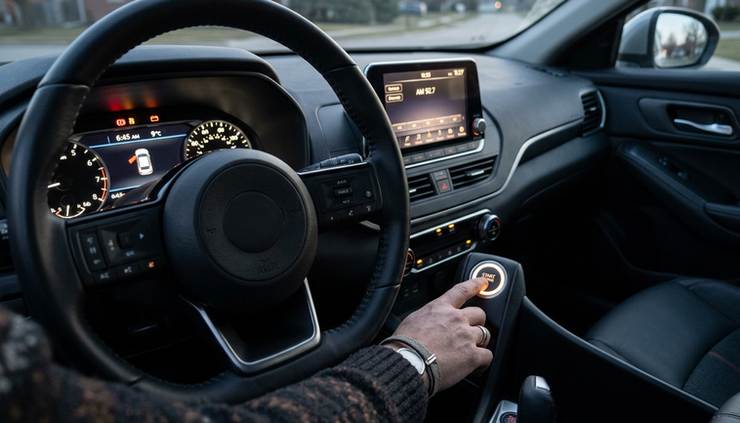
You hear clicking when turning the key or pressing the start button
The dashboard lights dim during start-up
The car starts fine one day, then struggles the next
The start-stop system stops working as usual
One slow start does not always mean the battery is finished. A loose terminal, faulty starter, or alternator issue can cause similar symptoms. Still, if slow starting happens more than once, get the battery tested.
A battery that struggles today may fail completely after a few more starts, especially if the car sits unused overnight.
Replace it if testing shows weak voltage or poor health
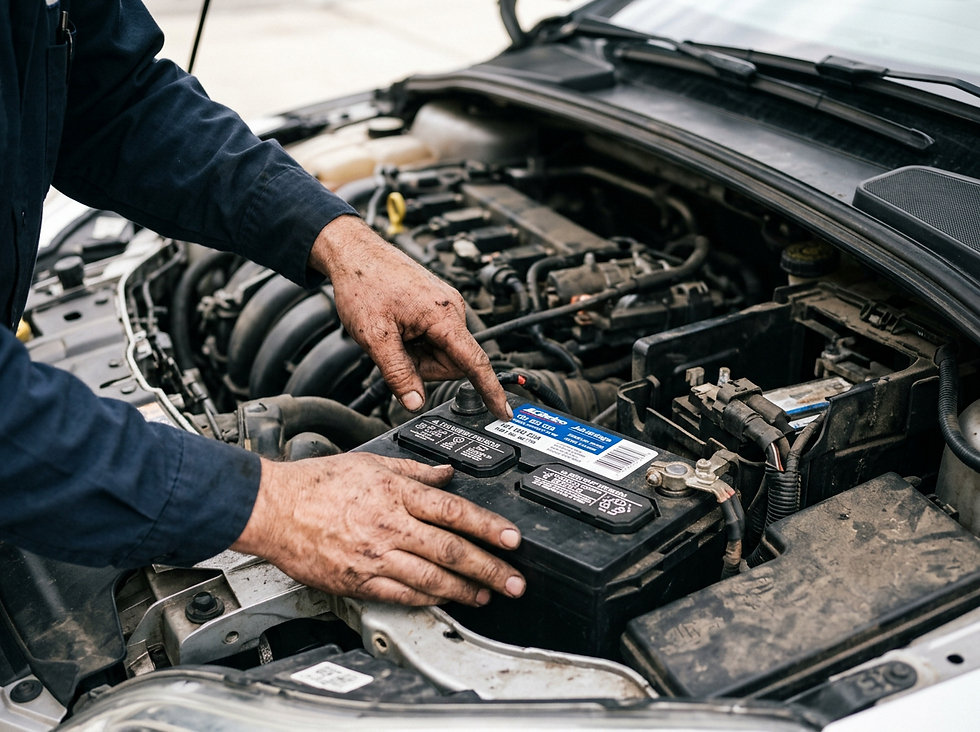
Guessing is risky. A proper battery test gives a clearer answer than simply judging by how the car sounds.
A workshop can check:
Battery voltage
Cold cranking ability
Charging system performance
Alternator output
Terminal condition
A healthy battery should hold enough charge and deliver enough current to start the engine reliably. If a battery fails a load test, replacement is usually the sensible option.
This is especially important before:
A long drive to Malaysia
A busy work week where the car is needed daily
Leaving the car unused for several days
Buying or selling a used car
The rainy season, when wipers, lights, and demisters may be used more often
Modern cars also depend on stable battery power for electronics. A weak battery can trigger warning lights, erratic locking, infotainment glitches, or start-stop issues. These problems may look complicated, but the battery is often the first thing worth checking.
Replace it immediately if there is damage, swelling, or leakage
Some battery problems are not just inconvenient. They can be unsafe.
Replace the battery promptly if you notice:
A swollen or bloated battery casing
Fluid leaking around the battery
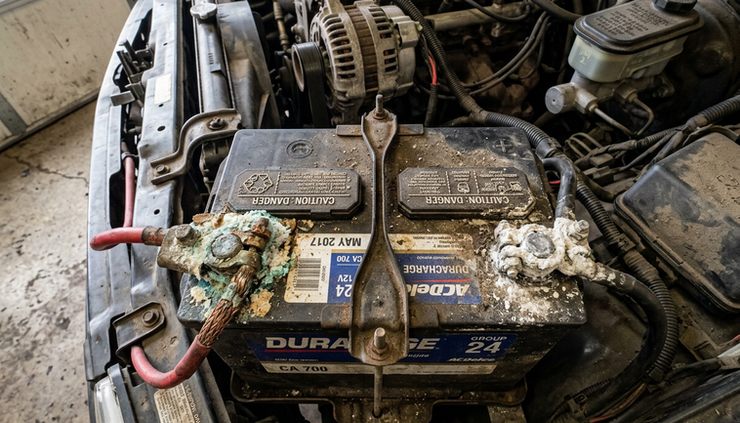
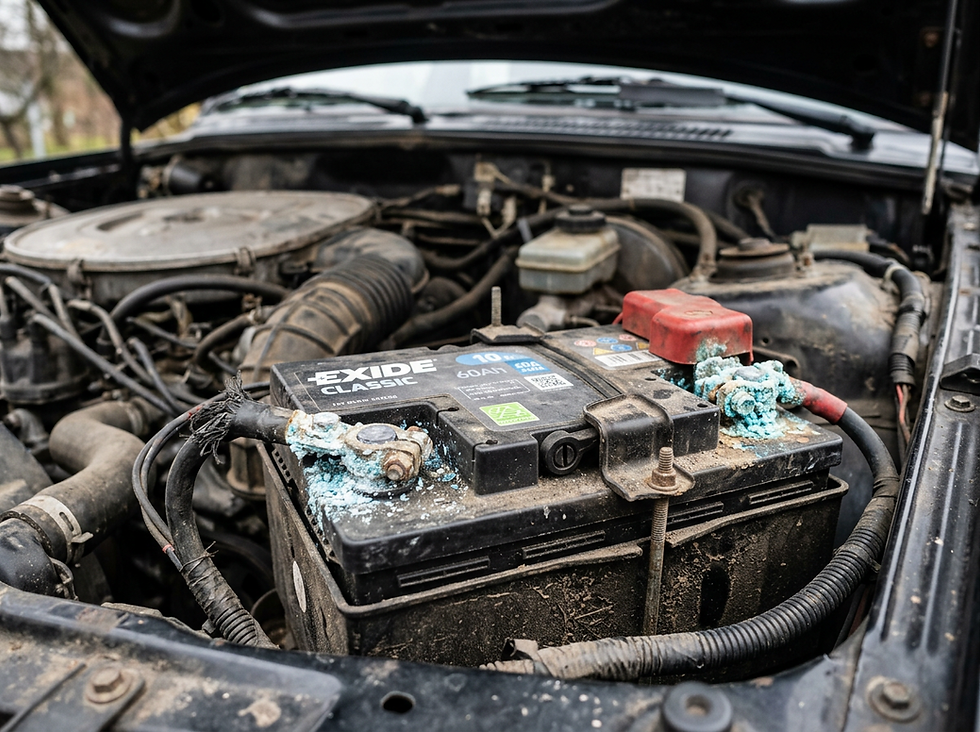
Heavy corrosion on the terminals
A rotten egg smell near the battery
Cracks or visible damage
A battery that becomes unusually hot
Do not ignore a swollen battery. Heat and internal failure can cause the casing to expand. If that happens, avoid touching or handling it unnecessarily. Let a qualified technician inspect and remove it safely.
Corrosion around the terminals can sometimes be cleaned, but it may also point to leakage or poor charging. If corrosion keeps returning, ask a workshop to check both the battery and charging system.
Replace it when your driving habits are hard on the battery
A car battery recharges while the engine runs. Short trips do not always give the alternator enough time to restore the power used during start-up.
Your battery may wear out faster if the car often:
Makes many short trips under 15 minutes
Sits parked for long periods
Runs accessories while the engine is off
Spends a lot of time in stop-start traffic
Is parked outdoors in strong heat
This is common for cars used mainly for school runs, short errands, or weekend driving. The car may seem fine for months, then suddenly fail to start after a few quiet days.
If the vehicle is not driven often, take it for a longer drive from time to time. A battery maintainer can also help if the car will be parked for an extended period, but make sure it suits the battery type.
The clearest time to replace your car battery
Replace your car battery when it is old, weak, damaged, or failing a proper test. Do it sooner if the engine cranks slowly, the dashboard lights dim during start-up, or the car has become unreliable after sitting overnight.
The rule of thumb is simple: do not wait for total failure. If your battery is nearing two years old, have it tested at your next service. If the results are poor, replace it before it turns one small warning sign into a no-start situation.
Comments